Four native macOS tools in one plugin — drag-to-screenshot with annotation and OCR, clipboard history, select-to-translate, and a menu bar system monitor (network up/down, CPU and memory, each clickable for per-process rankings). All four features share a single AppKit helper process, are toggled independently, and apply setting changes without restarting the plugin or the process.
Install
# from a prebuilt release tarball
dsh plugin --profile web add "https://github.com/BrightStonebody/dsh-native-tools/releases/latest/download/dsh-native-tools.tgz"
# from GitHub (first run asks for allowBuilds approval — follow the hint, retry)
dsh plugin --profile web add github:BrightStonebody/dsh-native-tools
Any plugin you install runs third-party code with your own permissions — it can read your files, use your credentials, and reach the network, and tool approvals don’t sandbox it. GitHub-sourced plugins also run build scripts at install time — pnpm blocks those until you allow them, so an install can stop with ERR_PNPM_GIT_DEP_PREPARE_NOT_ALLOWED or ERR_PNPM_IGNORED_BUILDS; dsh prints the exact key to add under allowBuilds in your profile’s pnpm-workspace.yaml, and the install works on the next run. Allowing a build is a trust decision: only install sources you trust, and pin a commit (github:owner/repo#sha).
README
This plugin publishes its README in Chinese only.
四个原生功能合成一个插件包:截图、剪贴板历史、翻译、系统监控。
- 界面与全局热键都在一个 Swift 进程里(
helper/DSHNative.app),四项功能共存于同一个进程; - 改设置是热更新:点完开关/改完快捷键立刻生效,不重启插件、不重拉原生进程(进程 pid 不变);
- 四项功能各有一个开关,在 插件 › 原生助手(详情页里的配置区,或该行的「配置」)里单独开或关:关掉的会被从进程里卸下(热键注销、面板收起),全部关掉时进程退出;
- 两处都注册了同一个设置页:
plugins.bundle.config(key = 包名,详情页那条)与plugins.row.config(key =包名#行id)。只注册后者时,详情页会认为「这个插件没有配置」,四个开关就无处可显示;
- 两处都注册了同一个设置页:
- 配置页里还能改每个功能自己的快捷键与参数,改完即时生效,不会重启进程。
| 功能 | 默认快捷键 | 做什么 |
|---|---|---|
| 截图 | ⇧⌘A |
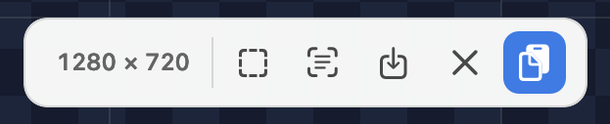
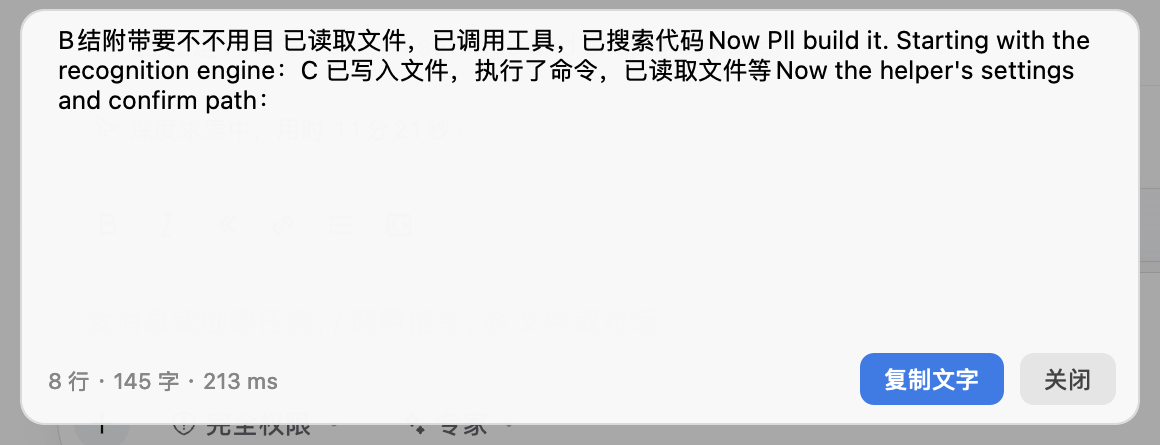
拖框截屏,选区下方出现工具条:加红框、识别文字、保存,最右端是「复制」、它左边紧挨「取消」;⌘T 识别文字,⌥⏎ 只复制文字 |
| 剪贴板历史 | ⇧⌘V |
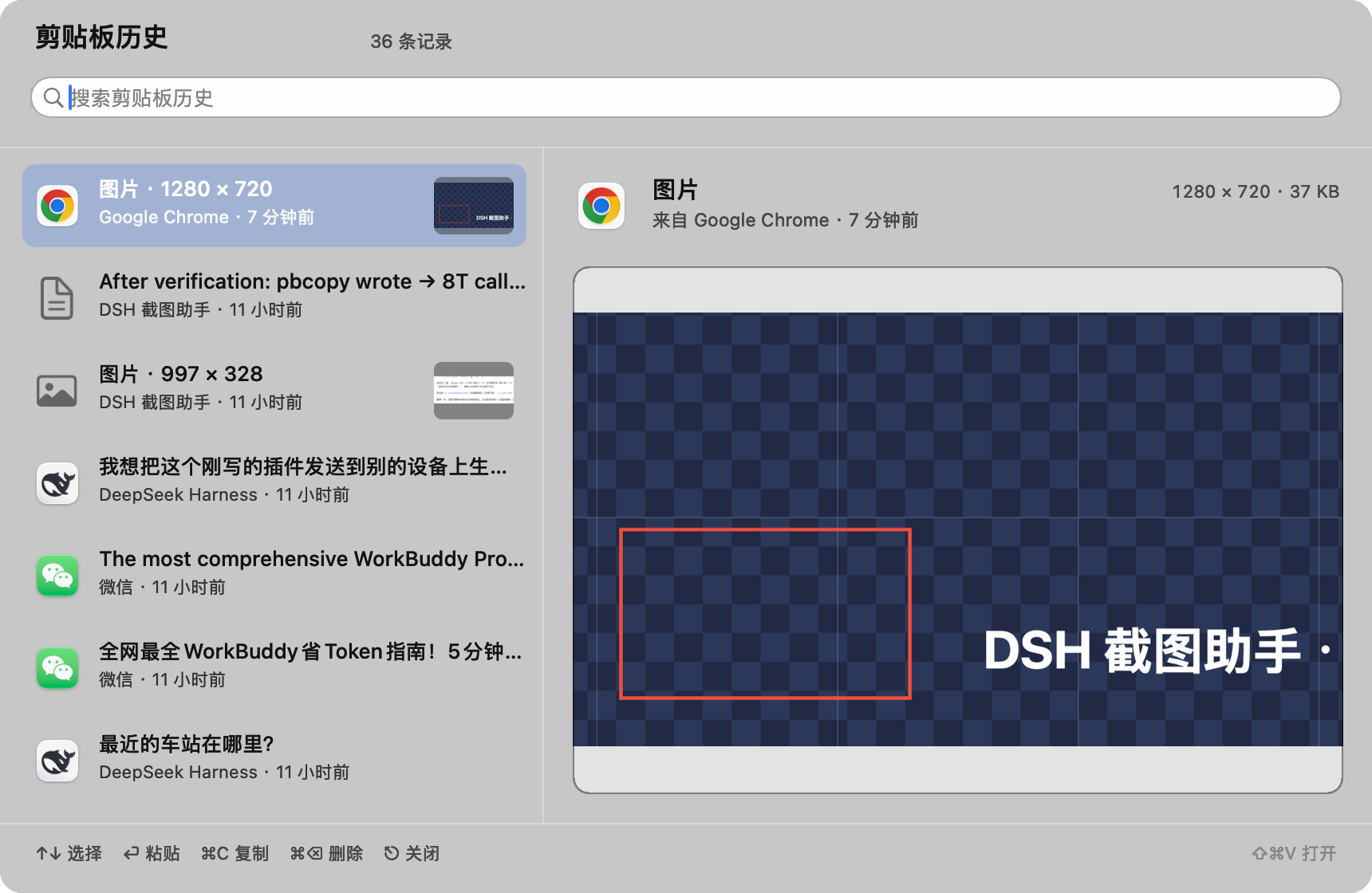
历史面板:搜索、预览、⏎ 粘贴、⌘C 复制、⌘⌫ 删除 |
| 翻译 | ⇧⌘T |
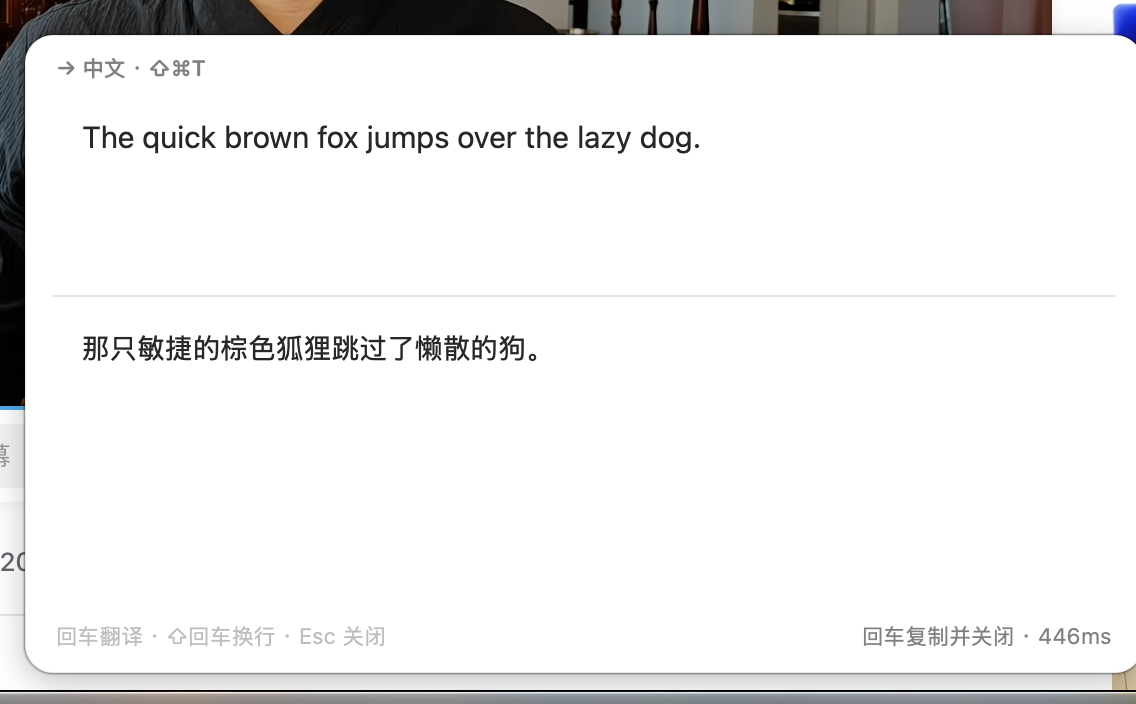
浮窗翻译:选中文本按快捷键,或浮窗里输入,⏎ 复制并关闭 |
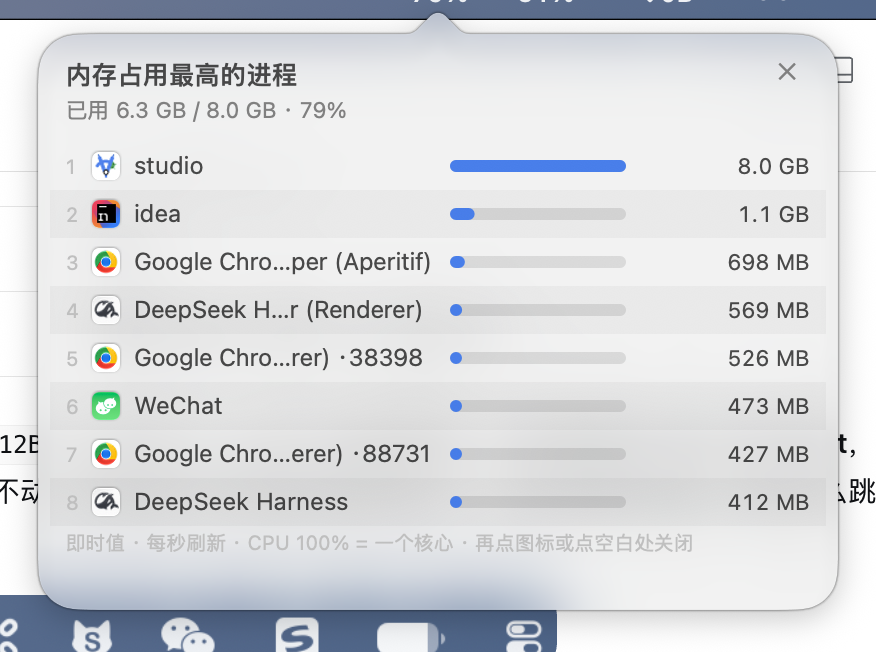
| 系统监控 | 无(菜单栏) | 菜单栏三个两行控件:上一行是标签或箭头(CPU / MEM / ↑),下一行是数字(26% / 78% / ↓1.5K);点任一个列出这项指标占用最高的进程(再点同一个图标、点面板右上角的 ✕、或点屏幕其它地方都会收起来;点另一个图标则切换指标)—— 每行带进程所属 App 的图标(Chrome / DSH 这些 helper 显示宿主 App 的图标;守护进程没有归属 App,那一格留空)、名字、相对比例条与数值 |

安装
先把这个目录放到一个固定位置(不要放在会被清理的临时目录,也不要在装好之后移动它):
git clone https://github.com/BrightStonebody/dsh-native-tools
# 或者下载 Release 里的 dsh-native-tools.tgz 解压,效果一样
Release 上同时挂着 .tgz 与 .zip 两份同样的内容:.tgz 是给 DSH 插件市场的
tarball: 字段用的(市场只认 GitHub Release 上的 https .tgz),.zip 是给人手下载的。
然后:
- 在该目录里跑一次
./install.sh:去掉隔离标记并重新签名helper/DSHNative.app(ad-hoc 签名跨机器搬动后会被 Gatekeeper 拦)。 - DSH 里打开 插件 › 添加插件 › 安装第三方插件,填入上一步那个目录的绝对路径。
- 重启 DSH,刷新页面。
- 第一次截图时 macOS 会要求「屏幕录制」权限:到 系统设置 › 隐私与安全性 › 屏幕录制 勾选 DeepSeek Harness(授权记在宿主 App 名下,重签 helper 不会丢),再按一次快捷键即可。
四个功能默认都是开着的。只想用其中一两个,到 插件 › 原生助手 › 配置 把其余的开关关掉。
配置项
设置页按功能分成四张卡,每张卡头是开关:
| 分组 | 键 | 默认 | 说明 |
|---|---|---|---|
| 截图 | enabled / hotkey |
true / cmd+shift+a |
开关与快捷键(支持任意组合,如 ctrl+opt+a、f8) |
| 截图 | saveDirectory |
空 = 桌面 | 「保存」按钮的默认目录 |
| 截图 | ocrLanguages |
auto |
文字识别语言:auto / zh / en |
| 截图 | ocrKeepLineBreaks |
true |
识别时保留屏幕上的换行 |
| 剪贴板 | enabled / hotkey |
true / cmd+shift+v |
开关与快捷键 |
| 剪贴板 | maxItems / retentionDays |
200 / 30 |
历史容量与保留天数 |
| 翻译 | enabled / hotkey |
true / cmd+shift+t |
开关与快捷键 |
| 翻译 | provider / targetLanguage |
bing / auto |
翻译通道(仅 bing、google 可用于浮窗)与目标语言 |
| 系统监控 | showNetwork / showCPU / showMemory |
全 true |
三个菜单栏图标各自的开关 |
| 系统监控 | refreshSeconds / topCount |
2 / 8 |
采样间隔(1–60 秒)与弹层里列几行(3–30) |
| 系统监控 | networkDetailed |
true |
网络图标是否同时显示上行(关掉只留 ↓,更窄) |
| 全局 | appPath |
空 = 包内 helper | 自定义 helper 的 .app 路径 |
改任何一项都会把新设置推给正在跑的进程(adopt 里带该功能的设置),不需要重启。
翻译通道只有 bing 与 google 能在浮窗里用:这两个是匿名接口,不需要登录。另外两个
deepseek-account、deepseek-official 是 DSH 自己的付费通道,翻译结果要记进一个活的会话,
而全局快捷键弹出来的浮窗没有会话,所以设置页里把它们列出来但标成不可选;真写进去也只会得到
「只能在对话里用」这句提示。google 需要能直接访问 translate.googleapis.com,
连不上的话浮窗会报网络失败,换回 bing 即可。
架构
DSH Host (pid 48684)
 ├─ dsh-native-tools/index.js      配置 + 生命周期 + 翻译请求的 Host 半边
 │    ├── spawn ─────────────► DSHNative.app ── feature screenshot
 │    │                          (一个进程)   ├─ feature clipboard
 │    │                                       ├─ feature translate
 │    │                                       └─ feature monitor
 │    └── Unix socket ◄─────── 翻译用的 host.sock
 └─ 四个功能的 control.sock(各自support目录下)
- 谁先起谁当主进程:每个功能在自己的 socket 上找不到人时,先问共享通道
~/Library/Application Support/DSHNative/control.sock「能不能把我装上」 (ensure-feature),装得上就加入;装不上才 spawn 新进程。新进程抢不到 socket 就打印already-running退出,所以永远只有一个进程。 - 卸下与退出:关掉某个功能 →
detach-feature→ 该 feature 停表、注销热键、 收面板,进程继续跑剩下的功能;全部关 → 进程 5 秒后退出。 - 代交接而非重启:每次 apply 生成本次运行的
generation,adopt时交给进程; 插件被重新 apply(改配置、重载)时对每个功能发release,代号对得上就只是解除 挂靠,进程与面板都留着。 - 探活:每 5 秒查一次
status,连续两次没回应就重新接管,接管不上才重新拉起。 - 翻译需要调 DSH 的翻译服务,所以在 Host 侧开着一条 socket(
translate-host.js), 原生进程把待译文本发过来、拿译文回去。其他两个功能的逻辑全在原生进程里。
目录
dsh-native-tools/
├── index.js            Host 半边:配置、spawn/adopt/detach、探活、翻译服务端
├── client.js           设置页(四个开关 + 各自字段)
├── translate-host.js   翻译的 Host 侧实现(从原 dsh-translate 抽出来)
├── cordis.patch.yml    插件声明(id: dsh-native-tools)
├── locale/{zh,en}.json 插件页上的名称与简介
├── icon.svg            插件图标
├── install.sh          去隔离 + 重签 helper
├── pack.sh             打 dist/dsh-native-tools-<版本>.zip 与 .tgz(唯一打包入口)
├── helper/DSHNative.app 通用二进制(arm64 + x86_64),四项功能同一个进程
├── host-test/          Host 半边的热更新自测(改设置不重启、按需 spawn)
├── design/             图标源文件(1024 位图 + iconset)
└── engine/
    ├── build.sh        构建 + 安装(arm64 + x86_64 → lipo → 重签)
    └── Sources/NativeKit/
        ├── main.swift          入口:CLI、join、self-test
        ├── Core/               Log/JSON、热键、控制通道、NativeFeature、NativeHost
        └── Features/
            ├── Screenshot/     截图:覆盖层、工具条、红框、OCR
            ├── Clipboard/      剪贴板历史:存储、面板
            └── Translate/      翻译浮窗
每个功能的数据仍在原来的位置(截图 ~/Library/Application Support/DSHScreenshot,
剪贴板 …/DSHClipboard,翻译 …/DSHTranslate),从旧版单独插件升级过来不需要迁移。
共享通道在 …/DSHNative/control.sock。
命令行
APP=helper/DSHNative.app/Contents/MacOS/DSHNative

$APP --status                          # 四个功能各自的状态(JSON),没在跑则退出码 1
$APP --self-test --feature screenshot  # 20 项
$APP --self-test --feature clipboard   # 55 项
$APP --self-test --feature translate   # 11 项
$APP --self-test --feature monitor     # 44 项
$APP --self-test                       # 四项全跑
$APP --feature screenshot --feature clipboard   # 手动起(可重复,也可逗号分隔)
$APP --feature screenshot --no-adopt   # 不接管已有进程,调试用
自测把结果打成 JSON(checks[]、failures),退出码非 0 表示有失败项。
构建
./engine/build.sh # 编 arm64 + x86_64 → lipo → 装进 helper/DSHNative.app → 重签
只改 JS(index.js / client.js)不需要构建,但要让运行中的 DSH 用上新代码,得
重启 DSH:插件模块在 Host 启动时加载并缓存,plugin_manager 的启停不会重新执行
模块体。
排查
| 现象 | 处理 |
|---|---|
| 插件页里看不到「原生助手」 | 刷新页面;确认装的是这个目录、package.json 的 dsh.bundle.patch 指向 cordis.patch.yml |
| 详情页没有配置区/开关 | 插件页上看不到四个开关时先 ⌘R;改了 client.js 要重启 DSH(客户端脚本在宿主启动时读进内存),只刷新页面不会换掉旧脚本 |
| 开关点了没反应 | 看 DSH 日志里 dsh-native-tools 的 Host 日志;开关写的是 ['<功能>','enabled'],Host 派 loader/volatile-update 后由插件的 sync() 当场把进程对齐(不重启插件) |
| 设置页说「这个插件没有声明可配置项」 | Config 里没有 .volatile() 字段:DSH 只把 volatile 字段投影进设置表单。本插件除 appPath 外的叶子都已声明,见 HANDOFF 坑 12 |
| 翻译报「没有这个翻译通道」 | provider 只认 bing / google(浮窗可用的两个);写错名字时浮窗会直接说出可用值 |
| 翻译报网络失败 | 用的是 google 但访问不到 translate.googleapis.com;换 bing |
| 按快捷键没反应 | helper/DSHNative.app/Contents/MacOS/DSHNative --status 看进程在不在、permission 是否 true;日志里找 hotkey … registered |
| 截图全黑 / 「需要屏幕录制权限」 | 系统设置 › 隐私与安全性 › 屏幕录制 里勾选 DeepSeek Harness,然后重开 DSH |
| 某个功能关不掉 | 关掉后看 --status --feature <slug> 是否消失;全部关掉应看到进程退出 |
| 设了快捷键又变回去 | 配置页写入会即时生效;若进程是旧代码拉起的(进程启动时写死),杀掉进程让它重起 |
| 想彻底停用 | 插件页停用整个插件;或把四个开关都关掉(进程会退出) |
分发给别的机器
先在本机打包(版本号取自 package.json,会顺手校验 helper 是通用二进制):
./pack.sh          # → dist/dsh-native-tools-<版本>.zip 与 dsh-native-tools-<版本>.tgz
                   # 另存 dist/dsh-native-tools.tgz(不带版本号的稳定链接名,Release 用)
到新机器上:
- 解压到固定目录(别放「下载」里,插件记住的是这个路径);
./install.sh(去 quarantine + 本机重签);- DSH › 插件 › 添加插件 › 安装第三方插件,填解压后的
dsh-native-tools目录; - 重启 DSH、刷新页面,到「系统设置 › 隐私与安全性 › 屏幕录制」勾上 DeepSeek Harness。
zip 里带的是运行需要的东西 + engine/ 源码(对方可以自己重编),不带 engine/build/ 编译中间产物、host-test/、HANDOFF.md。helper 是通用二进制,Intel 与 Apple Silicon 都能直接跑。
注意:本地目录是以 link: 方式装进 profile 的,装好之后那个目录不能删也不能挪;
配置不随包迁移,需要在新机器上重设(四个开关、快捷键、保存目录都在插件页里改)。
Links
More in this category
Tencent/WeKnora#dsh-weknora★ 37546
Four read-only tools over a WeKnora knowledge base: list knowledge bases, hybrid passage search, reassemble one document's chunks in order, and WeKnora's own cited RAG or ReAct-agent answer with a resumable session id.
DayuanJiang/next-ai-draw-io#dsh-plugin★ 36997
Draws draw.io diagrams in DeepSeek Harness through the next-ai-drawio MCP server: the link in the reply opens a live preview in the right sidebar, you can edit the diagram by hand, and each AI change is a version you can restore. Node.js 18+; npx downloads the MCP server on first use.
superdesigndev/treg★ 8164
Tool catalog for agents: search ~2,600 external endpoints (SEO and SERP, backlinks, social, people and company enrichment, ad libraries, scraping) by the task you want done, read each one's parameters and per-call price, then call it with the credential injected server-side. Ships the skill plus an MCP row that stays disabled until TREG_TOKEN is set.
T-Auto/dsh-ops★ 5864
Provides bash, PowerShell 7, and high-performance Rust tools for DSH on Windows to reduce token usage.
sixtysevenlf/dsh-blender-plugin★ 2147
Lets a DSH agent drive a local Blender over a direct TCP channel with 15 tools: viewport frames, custom-angle renders, Python execution, headless and job offload, transaction rollback, and a planning layer of 228 ops across 34 families.
helloHub1212/dsh-windows-mcp★ 1456
Bridges the CursorTouch/Windows-MCP desktop automation server into DSH through the official MCP client bridge, registering its screenshot, UI tree snapshot, mouse and keyboard input, clipboard, process and registry tools as mcp__windows__* tools for the model, and adds a windows_mcp_doctor diagnostic tool. Computer Use is off by default and is switched on from the plugin panel.
Community comments
Comments are public GitHub Discussions. Loading them connects to GitHub and Giscus; a GitHub account is required to post.